
Cosmetic Dental Bonding: What Can It Fix in Your Smile?

Cosmetic dental bonding can repair chips, cracks, small gaps and minor discolouration using a tooth-coloured resin that is applied and shaped directly on the tooth. At Rose City Dental Centre in Welland, bonding is usually completed in one visit with little or no enamel removal, and suitability is confirmed through a clinical exam and consultation.
Takeaways: Small Flaws, Fixed in One Visit
- Bonding can repair chips, cracks, gaps and minor discolouration with a tooth-coloured resin.
- The resin is shade-matched to your surrounding teeth, then shaped and polished for a natural look.
- Little or no enamel is removed, and bonding is often reversible or easy to modify.
- It suits small to moderate corrections. It is not ideal for large restorations or heavy teeth grinding.
- Bonding is more prone to staining and chipping than porcelain veneers, and it cannot be whitened after placement.
- Bonding typically lasts several years, with touch-ups or replacement as it wears.
If a small chip or gap is the first thing you notice when you smile, you may not need a large or lengthy treatment to change it. This guide answers a question many patients in Welland ask: what kind of cosmetic changes can I make with dental bonding? It also clears up the common myths, explains the limits of bonding and shows when another treatment may suit you better.
What Is Cosmetic Dental Bonding?
Bonding uses a tooth-coloured resin that your dentist applies directly to the tooth, then shapes and hardens in place. Nothing is made in a lab, and you do not need a temporary while you wait.
With composite dental bonding, the repair is built on your own tooth during the visit. That is why it is usually completed in one appointment and why it is often reversible or easy to modify later.
According to the Canadian Dental Association, bonding is typically used for smaller repairs, while veneers cover the entire front surface of the tooth. Both can improve the look of chipped, cracked, discoloured or uneven teeth.
What Kind of Cosmetic Changes Can I Make With Dental Bonding?
Bonding is best for small to moderate corrections. These are the changes it is most often used for.
Repairing a Chipped Tooth
A chip on the edge of a front tooth is one of the most common reasons people choose bonding. The resin is added where the tooth is missing, then shaped to match the outline of the tooth so the edge looks whole again.
Because the resin is shade-matched to your surrounding teeth, the repair blends in rather than standing out.
Repairing Small Cracks
Bonding can repair cracks in the tooth surface. A crack that runs deeper into the tooth is a different problem, and it may need more support than resin can give. Only an examination shows how deep a crack goes, so your dentist checks the tooth before recommending bonding or a stronger option such as dental crowns.
Closing Small Gaps Between Teeth
Can bonding close a gap? For small gaps, often yes. Resin is added to the sides of the teeth next to the space, so the teeth look closer together without moving them.
Larger spacing, or gaps linked to how your teeth are aligned, may be better treated by moving the teeth. At Rose City Dental Centre, Invisalign is used for gaps or spacing between teeth, crowded teeth and bite alignment issues, and your dentist can explain which approach fits your case.
Covering Minor Discolouration
Bonding can cover minor discolouration on a tooth, such as a small stain that does not respond to cleaning. It works best when the change is limited to one area or one tooth.
If you are unhappy with the overall shade of your smile, teeth whitening may be the first step to discuss. Bonding cannot be whitened after placement, so if you plan to whiten, raise it with your dentist before any bonding is done.
Reshaping Worn or Uneven Teeth
The Canadian Dental Association lists reshaping worn or uneven teeth among the uses of bonding, along with repairing chips and cracks, closing small gaps and covering stains. Adding resin to a short or uneven edge can help it line up with the teeth beside it.
How Cosmetic Dental Bonding Is Done
A bonding visit follows a precise, step-by-step process. Your dentist selects a resin shade that blends with your surrounding teeth, prepares the tooth surface with an etching and bonding agent, then places and shapes the resin directly on the tooth.
The resin is hardened with a curing light, then shaped and polished for a natural look and a comfortable bite. You can read the full visit steps on our dental bonding in Welland page.
Common Myths About Dental Bonding
Bonding is simple, but it is often misunderstood. Here is what is true about the most common concerns.
Myth: Bonding Weakens Your Natural Teeth
Bonding is one of the more conservative cosmetic options. The resin is applied directly to the tooth, with little or no enamel removal, so most of your natural tooth stays as it is.
Because so little is changed, bonding is often reversible or easy to modify if your needs change later.
Myth: Bonded Teeth Look Fake
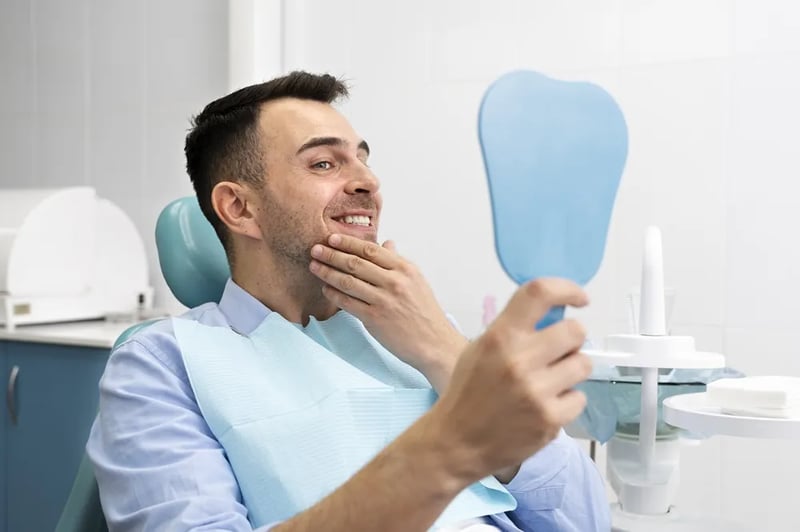
A well-done repair should not draw attention. The resin is matched with a shade guide to your surrounding teeth, then shaped and polished for a natural look. People who search for aesthetic bonding teeth are usually worried about exactly this, and shade matching is what keeps the repair blending in.
Myth: Bonding Is Only Cosmetic
Bonding improves how a tooth looks, but it also repairs damage such as chips and cracks. That difference matters for cost: insurance may apply when bonding is restorative rather than cosmetic, and your dentist can explain how your treatment is classified.
Myth: Bonding Lasts Forever (or Hardly Lasts at All)
Neither is true. Bonding typically lasts several years, with touch-ups or replacement as it wears. Your habits make a real difference, which is why aftercare matters.
Myth: Bonding Is Painful
Little or no anesthesia is needed in most cases, and numbing or sedation dentistry options are available if you feel anxious. Mild sensitivity may occur temporarily after treatment.
What Bonding Cannot Do
Knowing the limits of bonding helps you choose the right treatment the first time. Bonding is not the best fit when:
- The damage is large. Bonding is not ideal for large restorations. A tooth with extensive damage may need dental crowns instead.
- You grind your teeth heavily. Heavy grinding can wear and chip resin. Night guards help manage teeth grinding and clenching, and your dentist may suggest one before or after cosmetic work.
- You want a whiter smile overall. Bonding cannot be whitened after placement, so whitening is discussed first.
- The teeth need to move. Bonding changes the shape of a tooth, not its position. Crowding or bite problems are treated with orthodontics such as Invisalign.
Cosmetic Dental Bonding vs Porcelain Veneers
Many patients compare bonding vs veneers before deciding. Both change how the front of a tooth looks, but they work differently.
- Bonding: resin applied directly to the tooth in usually one visit, with little or no enamel removal. Best for small to moderate corrections, but more prone to staining and chipping.
- Porcelain veneers: thin porcelain shells made separately and bonded to the front of the teeth. Used for larger changes to colour, shape and the appearance of alignment, and designed for long-term aesthetic improvement.
At Rose City Dental Centre, veneers are made in porcelain, E.max or zirconia. Our veneers page explains how they are planned and placed, and the dental bonding in Welland page includes a side-by-side comparison table.
Caring for Bonded Teeth So They Last
Bonding is more prone to staining and chipping than porcelain, so a few habits help it look its best for longer:
- Limit staining foods and drinks, such as coffee, tea and red wine, especially if you have bonding on your front teeth.
- Avoid nail biting and chewing on pens or other hard objects, which can chip the resin.
- Do not use your teeth as tools to open packages or bottles.
- Keep brushing and flossing daily, and keep up with regular checkups so your dentist can spot wear early.
- Ask about touch-ups when the edges start to look worn or stained, rather than waiting for a chip.
Is Cosmetic Dental Bonding Right for Your Smile?
Bonding is a good starting point when you have one or a few small flaws and want a quick, conservative change. It may not be the right choice if you need a large repair, grind your teeth heavily or want to change the overall colour or position of your teeth.
Suitability for cosmetic dental bonding is confirmed through a clinical exam and consultation. If you have several concerns at once, a smile makeover combines cosmetic and restorative treatments into one personalized plan based on your needs and goals.
Questions Welland Patients Ask About Cosmetic Bonding
Thinking About Bonding for a Chip or a Gap?
Not sure whether that chip, gap or worn edge needs bonding, a veneer or something else? An exam gives you a clear answer.
- Shade-matched resin chosen to blend with your surrounding teeth
- Usually one visit, without a lab or a temporary
- Comfort options, with numbing or sedation available when needed
Book a consultation at Rose City Dental Centre, 429 Thorold Road, Welland, ON L3C 3W4, and find out whether bonding suits your smile.